I'll never forget the call I took last year.
A frantic homeowner in The Springs was convinced their plumbing had completely failed. No water anywhere. They'd called building maintenance, checked with neighbors, even crawled under the house looking for leaks. Nothing.
Turns out, their water pump had simply tripped the circuit breaker. A five‑second fix that took me an hour to reach because of traffic.
Meanwhile, that same week, a resident in a Dubai Marina high‑rise called about the exact same symptom—no water. But in their case, the building's main supply line to their floor had failed, requiring the entire tower to shut down water for six hours while we replaced a valve.
⚠️Same problem. Completely different causes. Completely different solutions.
That's the thing about plumbing in Dubai. Whether you live in a villa or an apartment, water flows through your home the same way—but everything else about how it gets there, how it's maintained, and what breaks is fundamentally different.
I've spent twenty years working inside both types of properties. I've crawled under villas in Arabian Ranches and climbed service shafts in JLT towers. I've seen what works, what fails, and what every resident needs to know about the hidden systems behind their walls.
Let me walk you through the real differences—and what they mean for you.
Average villa water heater replacement
Average apartment water heater replacement
Building water shut‑off for stack repair
Hot water pipe diameter loss from scale in villas
The Fundamental Difference: Autonomy vs. Reliance
Before we dive into technical details, understand this core principle:
In a villa, your plumbing is yours. Everything from the water main entering your property to the last drain leaving it is your responsibility. When something breaks, you fix it. When something needs maintenance, you arrange it. The buck stops with you.
In an apartment, your plumbing is shared. Yes, the pipes inside your walls belong to you (mostly). But the water that comes through your taps? That's supplied by the building. The drains that carry waste away? Shared with every unit above and below you. When something fails in the common systems, you're at the mercy of building management and their maintenance contractors.
This single difference determines everything—your costs, your responsibilities, your risks, and what you need to watch for.
Part One: Villa Plumbing – The Complete Picture
The Villa Water Supply System
Let's start at the beginning: how water actually reaches your taps in a villa.
The Main Connection
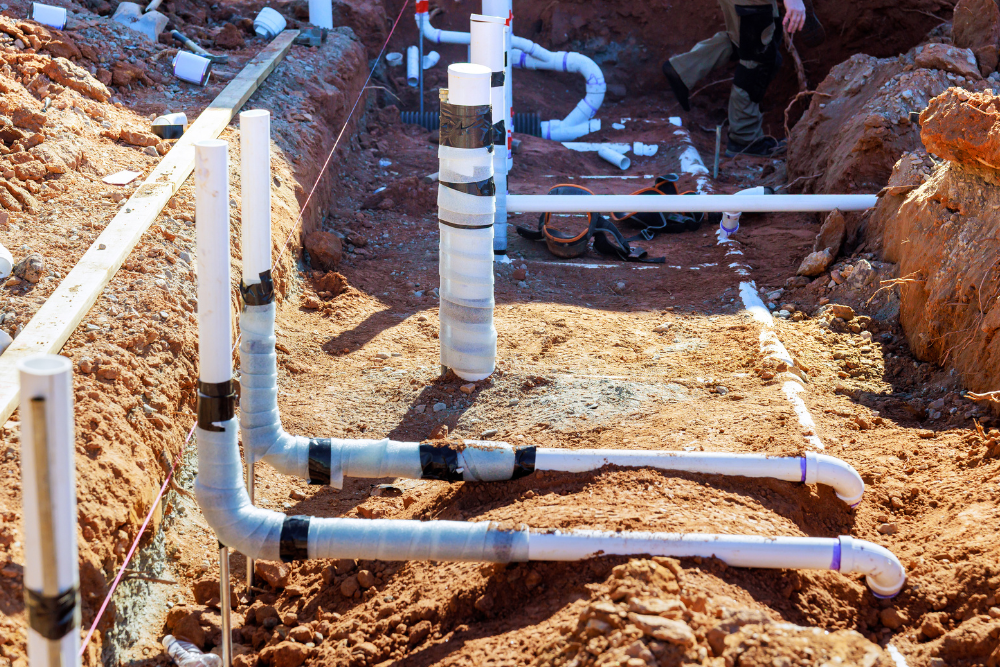
Every villa in Dubai connects to the municipal water supply through a dedicated line from the DEWA network. This line runs from the meter—usually in a concrete box near your property boundary—to your villa. Along the way, it might pass under your driveway, through your garden, or along your boundary wall.
This underground pipe is entirely your responsibility. If it leaks, you pay to dig it up and fix it. If it gets damaged by construction or landscaping, you pay to replace it.
The Water Pump and Pressure Tank
Here's where villas get interesting. Most Dubai villas don't rely on municipal pressure alone. Instead, they have a booster pump and pressure tank system.
Why? Because DEWA pressure fluctuates. During peak usage times—early morning and evening—pressure can drop significantly. If you're on the higher end of a villa community or your property sits slightly elevated, you might find showers turning to trickles without a booster pump.
The pump draws water from the main line and pressurizes it. The pressure tank stores this pressurized water, ready for immediate use. When you open a tap, water flows from the tank. When the tank pressure drops, the pump kicks on to refill it.
This system is the heart of villa plumbing. When it works, you have strong, consistent pressure. When it fails—pump motor burns out, pressure tank loses its air charge, pressure switch malfunctions—you have no water at all.
I've lost count of how many villa emergency calls I've taken where the "no water" problem was simply a tripped breaker or a failed pressure switch. It's almost always the pump system.
The Water Heater
Villas typically have larger water heaters than apartments—often 150‑200 liters or more, depending on bathroom count. These are usually electric storage heaters, though some newer villas have solar systems with electric backups.
Because villas have more bathrooms and often multiple occupants, water heaters work harder. They cycle more frequently. They accumulate scale faster. And when they fail, it's usually catastrophic—tank leaks, element burnout, or complete system failure.
The Rooftop Water Tank (Some Villas)
Older villas and some larger properties may have rooftop water tanks. These act as reservoirs, filled by pumps from the main line, then gravity‑feeding to your taps. They're simple and reliable but require regular cleaning per Dubai Municipality regulations.
Villa Drainage and Waste Systems
Villa drainage is conceptually simple but practically complex.
The Internal Drainage Network: Inside your villa, wastewater from toilets, sinks, showers, and appliances flows through a network of pipes that eventually join a single main drain line. This line exits your villa and runs underground to connect to the municipal sewer system.
The slope of these pipes is critical. Too flat, and waste doesn't flow—it sits, stinks, and eventually blocks. Too steep, and liquids outrun solids, leaving deposits that accumulate over time.
The Main Drain Line: This underground pipe from your villa to the sewer main is perhaps the most vulnerable part of your system. It can be:
- Blocked by tree roots seeking moisture
- Collapsed by ground movement or heavy vehicles driving over it
- Cracked by age or poor installation
- Blocked by grease buildup from kitchen waste
When this line fails, sewage backs up into your villa. It's the worst plumbing emergency imaginable, and it's entirely your responsibility to fix.
External Drainage: Villas often have extensive external drainage—garden drains, driveway channels, swimming pool overflows, and air conditioning condensate lines. These all need to flow properly to prevent flooding and water damage.
Villa-Specific Plumbing Challenges
- Water Pressure Fluctuations: Villa residents often complain about pressure changes. One day the shower is perfect, the next it's a trickle. This is almost always the pump system—either the pressure tank needs recharging, the pressure switch needs adjustment, or the pump itself is failing.
- External Pipe Damage: Villas have pipes running through gardens, under driveways, and along external walls. Landscapers regularly damage these with shovels, tillers, and heavy equipment. I've seen irrigation pipes, main water lines, and even sewer pipes all severed by well‑meaning gardeners.
- Swimming Pool Connections: If you have a pool, your plumbing system interacts with it—backwash lines, auto‑fill valves, and sometimes shared water sources. These connections create additional failure points and maintenance requirements.
- Hard Water Scale Accumulation: Villa plumbing systems, with their longer pipe runs and larger water heaters, accumulate scale faster than apartments. The hot water lines, in particular, can become severely restricted over years of hard water flow.
- Irrigation System Integration: Many villas have automated garden irrigation tied into the main water supply. These systems have their own valves, timers, and pipe networks—all additional components that can and will fail.
Villa Maintenance Responsibilities
As a villa owner or tenant, you're responsible for:
- All internal plumbing – pipes, fixtures, water heater, pump system
- The main water line from your meter to the villa
- The main drain line from your villa to the sewer connection
- External plumbing – garden taps, irrigation, pool connections
- Water pump and pressure tank maintenance and replacement
- Water heater maintenance and replacement
- Drain cleaning and blockage clearance
- Leak detection and repair anywhere on your property
This is why many villa owners opt for Annual Maintenance Contracts (AMCs). A good AMC covers:
- Scheduled inspections (typically quarterly)
- Pump and pressure tank checks
- Water heater maintenance
- Drain cleaning and minor blockage clearance
- Priority emergency response
- Discounts on major repairs
The cost of an AMC is far less than the cost of a single emergency repair—and infinitely less than the cost of a major failure like a burst pipe or sewage backup.
Part Two: Apartment Plumbing – Living in the Stack
Apartment plumbing is fundamentally different because you're not an island—you're one unit in a vertical city.
The Building Main Supply
Water enters your building through a large DEWA connection, often serving the entire tower. From there, it's distributed through a complex network of risers—vertical pipes that run the height of the building, with branches to each floor and each apartment.
The Pressure Challenge
Here's the engineering problem: water pressure decreases with height. On the ground floor, municipal pressure might be plenty. On the 40th floor, it's zero without help.
High‑rise buildings solve this with booster pump systems that push water to upper floors. Some buildings use roof tanks—water pumped to the top, then gravity‑fed down. Others use pressure‑boosting systems that maintain consistent pressure throughout.
Your apartment's pressure depends entirely on how well these building‑wide systems are designed and maintained.
The Isolation Valve
Every apartment should have an isolation valve—a shut‑off point where you can turn off water to your unit without affecting neighbors. It's usually in the kitchen sink cabinet, bathroom vanity, or a utility cupboard.
Know where yours is. In an emergency, those few seconds matter.
The Water Heater
Apartment water heaters are typically smaller than villa units—40‑80 liters for a one‑bedroom, perhaps 100‑120 for larger apartments. They're usually electric storage heaters mounted in cupboards or above ceilings.
Because apartments have less space and fewer occupants, water heaters run less continuously. But they still suffer from scale buildup, and when they fail, they can flood your apartment and the one below.
The Cold Water Storage (Some Buildings)
Some buildings, particularly older ones or those with roof tank systems, have cold water storage tanks that feed apartments. These require regular cleaning per Dubai Municipality regulations. If your building doesn't maintain them properly, water quality can suffer.
Apartment Drainage and Waste Systems
This is where apartment plumbing gets truly complex—and where things can go spectacularly wrong.
The Stack System: All wastewater from your apartment—toilets, sinks, showers, washing machine—flows into vertical pipes called stacks. These stacks run the entire height of the building, collecting waste from every apartment above you.
When you flush your toilet, that water falls down the stack. When the apartment above flushes, it falls past your floor. When the apartment below flushes, it falls past them.
You're all connected.
The Branch Connections: Your apartment connects to these stacks through horizontal branch pipes. The connections must be properly sloped, properly vented, and properly sized. If they're not, you get slow drains, gurgling sounds, and eventually blockages.
Ventilation Systems: Every drain needs air to flow properly. Vent pipes run from your drains up through the building, often terminating on the roof. These vents equalize pressure, allowing water to flow freely and preventing sewer gases from entering your home.
When vents get blocked—by debris, bird nests, or construction—drains slow down, toilets gurgle, and smells appear.
Apartment-Specific Plumbing Challenges
- Shared Line Blockages: This is the nightmare scenario. A blockage in the main stack affects every apartment above it. Wastewater from upper floors has nowhere to go but back up—often into lower‑floor apartments. I've responded to calls where a blockage on the 15th floor caused sewage to back up into a 10th‑floor apartment. The resident had done nothing wrong. They were just unlucky enough to be below the blockage.
- Water Pressure Variations: In high‑rise buildings, water pressure can vary dramatically by floor. Lower floors might have excellent pressure. Upper floors might struggle, especially during peak usage when everyone's showering before work. If you're on a higher floor and pressure drops during certain times, it's a building‑wide issue—not something you can fix yourself.
- Leaks From Above: Water leaks in apartments almost always come from above. A failed washing machine hose in the 20th‑floor apartment leaks into the 19th‑floor ceiling. A cracked toilet seal in 15th‑floor bathroom drips into 14th‑floor bedroom. When this happens, you're dealing with: your damage (fixing your ceiling, floor, belongings), someone else's responsibility (the source of the leak), building management coordination, insurance claims. It's messy, stressful, and all too common.
- Leaks To Below: The flip side: if you cause a leak, you're responsible for damage to the apartment below. This is why flood protection devices—automatic shut‑off hoses for washing machines, leak detectors under sinks—are essential in apartments.
- Stack Effect Odors: Sometimes, pressure differences in tall buildings can pull sewer gases from drains. If you notice persistent smells, especially in bathrooms, it might be a venting issue in the building stack—not your plumbing.
- Renovation Risks: When neighbors renovate, they can damage shared lines. I've seen contractors drop debris down stacks, block vents with construction waste, and incorrectly reconnect drains—all causing problems for other residents.
Apartment Maintenance Responsibilities
As an apartment owner or tenant, your responsibilities are more limited—but still significant:
You're responsible for:
- All plumbing inside your apartment walls
- Your water heater
- Your fixtures (taps, toilets, showers)
- Your appliance connections (washing machine, dishwasher)
- The isolation valve serving your unit
The building (or owner) is responsible for:
- Main supply risers
- Drainage stacks
- Building booster pumps and tanks
- Roof tanks and cooling towers
- Common area plumbing
The gray area: Who's responsible when a leak comes from the shared stack but damages your apartment? Usually, your insurance covers your damage, and the building's insurance covers the stack repair. But every building has different rules.
This is why it's essential to understand your building's specific setup and have proper insurance coverage.
Part Three: Regulatory Requirements for Both
Water Tank Cleaning
If your property has water storage tanks—common in villas and some apartment buildings—Dubai Municipality requires bi‑annual cleaning and disinfection. This must be done by approved contractors, with documentation kept for inspection. Failure to comply can result in fines and, in severe cases, water disconnection.
Drainage System Maintenance
Properties must maintain drainage systems to prevent blockages and overflows. For villas, this means keeping your main drain line clear. For apartments, it means not flushing inappropriate items and reporting slow drains promptly.
Fire Safety Systems
Many buildings have fire sprinkler systems connected to the water supply. These require regular testing and maintenance per Dubai Civil Defence requirements. Interfering with these systems is illegal and dangerous.
Compliance Consequences
Non‑compliance isn't theoretical. Dubai Municipality inspectors do check, and penalties can reach AED 50,000 or more for serious violations. Insurance claims can also be denied if damage results from neglected maintenance.
Part Four: Real Stories From the Field
The Springs Villa: The Case of the Disappearing Pressure
A family in The Springs called about gradually declining water pressure. Over six months, their once‑powerful showers had become weak trickles. They'd replaced shower heads, checked for leaks, even had their pump serviced—nothing helped. When we investigated, we found severe scale buildup in the hot water pipes, reducing internal diameter by nearly 60%. The solution? Pipe replacement. They installed a whole‑house softener afterward.
Lesson: In villas, your pipes are your responsibility. What happens inside them is invisible until it's too late.
Dubai Marina Apartment: The Leak From Above
A Marina resident called us at 2 AM. Water was pouring through their bathroom ceiling, flooding the floor and spreading into the bedroom. Upstairs neighbors were away on holiday. We had to contact building security, access the upstairs unit, shut off water to that apartment, trace the source (a failed flexible hose on the washing machine), and stop the flow. The upstairs resident returned to find their holiday had cost them thousands in repairs.
Lesson: In apartments, your plumbing affects everyone around you. A small failure in your unit can cause massive damage to others.
JLT Tower: The Mystery Blockage
A JLT resident couldn't understand why their toilet kept backing up. They'd had it snaked twice in three months. Each time, the plumber cleared the blockage, but within weeks, it returned. The problem wasn't in their apartment. A partial blockage in the main stack—caused by someone flushing inappropriate items several floors up—was creating a bottleneck. Waste from above accumulated just above this resident's floor, then backed into their unit when flow was heavy. We had to coordinate with building management, access the stack through multiple floors, and clear the blockage from above.
Lesson: In high‑rises, your neighbors' habits affect your plumbing. And some problems require building‑wide solutions.
Part Five: What Each Resident Needs to Do
🏠For Villa Residents
1. Know Your System
- Locate your main shut‑off valve (at the meter)
- Know where your pump and pressure tank are
- Understand how to reset tripped breakers
- Identify all external pipes and drains
2. Maintain Your Equipment
- Service your pump annually
- Flush your water heater yearly
- Clean aerators and shower heads regularly
- Clear gutters and external drains
3. Monitor for Problems
- Watch your DEWA bill for unexplained increases
- Listen for running water when everything's off
- Check under sinks and around toilets for moisture
- Inspect external pipes after landscaping work
4. Consider Professional Help
- Annual maintenance contracts save money long‑term
- Water treatment prevents scale damage
- Regular inspections catch problems early
🏢For Apartment Residents
1. Know Your Building
- Locate your isolation valve
- Understand building protocols for leaks and emergencies
- Know who to call (building security, facilities manager)
- Have building management contact saved
2. Protect Yourself and Others
- Install flood stops on washing machine hoses
- Use leak detectors under sinks and near water heater
- Never flush wipes, sanitary products, or other non‑dissolvable items
- Report slow drains promptly
3. Document Everything
- Take photos before and after any work
- Keep records of maintenance and repairs
- Save correspondence with building management
- Know your insurance coverage
4. Be a Good Neighbor
- If you're renovating, ensure plumbers protect shared lines
- If you're away, consider shutting off your water
- Respond promptly if management contacts you about issues
- Don't ignore signs of problems in your unit
Part Six: The Cost Reality
Service Charges Tell the Story
One of the clearest indicators of the difference between villa and apartment plumbing is reflected in service charges.
Apartment service charges typically range from AED 10‑30 per square foot annually. Why so high? Because they cover:
- Maintenance of building booster pumps
- Cleaning of roof tanks (where present)
- Maintenance of shared drainage stacks
- Elevator maintenance (often tied to MEP systems)
- Building security and common area upkeep
Villa service charges are much lower—typically AED 2‑8 per square foot. They cover:
- Community landscaping
- Common area lighting
- Security services
- Waste collection
Villa owners pay less in service charges but bear the full cost of their own plumbing maintenance. Apartment residents pay more in service charges but have many major systems covered.
Real Cost Examples
- Villa water heater replacementAED 1,800‑3,500
- Apartment water heater replacementAED 800‑1,500
- Villa pump system replacementAED 3,000‑6,000
- Apartment pump maintenanceIncluded in service charges
- Villa main drain clearingAED 800‑2,000
- Apartment stack clearingBuilding responsibility
Part Seven: When to Call a Professional
🏠Villa Scenarios That Need Immediate Help
- No water – likely pump failure
- Burst pipe – shut off water and call immediately
- Sewage backup – don't use any water, call right away
- Water heater leaking – shut off water and power, call plumber
- Unexplained wet areas in garden – possible underground leak
- Pressure loss – could be pump, leak, or scale buildup
🏢Apartment Scenarios That Need Immediate Help
- Leak from above – contact building management and your insurance
- Leak to below – shut off your water, call plumber, notify building
- No water – check with neighbors; could be building issue
- Blocked toilet that won't clear – call plumber (your responsibility)
- Sewage backup – stop all water use, call building management and plumber
Final Thoughts: Two Worlds, One Goal
Villa and apartment plumbing are fundamentally different systems with different responsibilities, different risks, and different maintenance requirements.
Villa residents have complete control—and complete responsibility. Your plumbing is yours to maintain, yours to repair, and yours to upgrade. The upside: you decide when and how work is done. The downside: when something breaks, it's all on you.
Apartment residents trade control for convenience. Many major systems are someone else's problem—until they're not. Your responsibility ends at your walls, but your vulnerability extends to every unit above you.
Whichever you choose, the fundamentals are the same:
- Know your system
- Watch for warning signs
- Maintain regularly
- Act quickly when problems appear
- Call professionals when needed
At Quick Fix Dubai, we've worked in both worlds for two decades. We've fixed villas in Arabian Ranches and apartments in Marina. We've seen every failure mode, solved every problem, and learned what matters most.
It's not about whether you live in a villa or apartment. It's about understanding what you're responsible for—and being prepared when things go wrong.
Because in plumbing, as in life, preparation makes all the difference.
📋 Quick Reference: Villa vs. Apartment Plumbing
| Aspect | Villa | Apartment |
|---|---|---|
| Water supply | Dedicated line from DEWA + personal pump system | Building risers + shared booster pumps |
| Water pressure | Your pump system determines it | Building system determines it |
| Shut‑off point | At meter (external) | Isolation valve inside unit |
| Drainage | Single line to municipal sewer | Shared stacks with other units |
| Your responsibility | Everything on your property | Inside your walls only |
| Building responsibility | Nothing | Main risers, stacks, pumps |
| Maintenance cost | You pay directly | Through service charges |
| Biggest risk | Underground leaks, pump failure | Leaks from above, stack blockages |
Need Help with Your Villa or Apartment Plumbing?
Quick Fix Dubai is here—24/7, for both worlds. Call us anytime.
📚 Related Articles
How to Prevent Burst Pipes During Dubai's Summer Heat
Engineer's guide to protecting your plumbing from thermal expansion.
Read More →The Impact of Hard Water on Your Dubai Home's Plumbing
Understanding and combating limescale.
Read More →Emergency Plumbing 101: What to Do Before the Plumber Arrives
A field guide for Dubai homeowners when disaster strikes.
Read More →