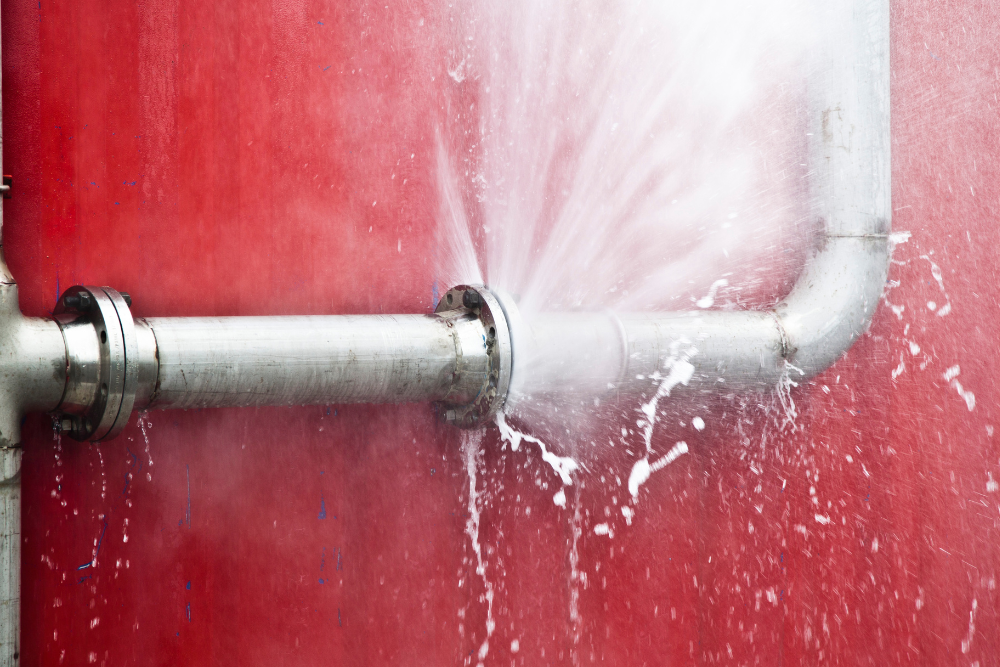
Picture this: It's 2 AM on a sweltering July night. The temperature outside is still hovering near 40°C. You're jolted awake by the unmistakable sound of rushing water. Running to investigate, you find your utility room flooded, water gushing from a burst pipe behind your washing machine. Your marble flooring is submerged, and the water is spreading fast.
If you live in Dubai, this scenario is terrifyingly real for hundreds of homeowners every summer. But here's the truth that most people don't realize: burst pipes are almost always preventable.
⚠️I'm writing this guide not as a copywriter, but as someone who has spent over 15 years working inside the walls, under the floors, and on the rooftops of Dubai's homes. I've seen what summer heat does to plumbing systems, and I've fixed thousands of burst pipes. Let me share what I've learned about protecting your home.
Rooftop pipe temperature in direct sun
Pressure spikes measured in summer
UV damage time for unprotected pipes
Average water damage repair cost
The Science of Why Pipes Burst in Dubai's Heat
🔥It's Not Freezing – It's Expansion
Here's something most people get wrong: pipes don't burst because water freezes in Dubai (obviously). They burst because of thermal expansion, and our summer heat makes it worse than anywhere else I've worked.
When temperatures soar past 45°C, your pipes absorb enormous amounts of heat. Metal pipes expand. Plastic pipes expand even more. And here's the problem – they don't expand evenly.
Think about it this way: during a typical Dubai summer day, your rooftop pipes might heat up to 60-70°C in direct sun. At night, they cool down to maybe 35°C. That's a 30-40 degree temperature swing, every single day.
This constant expansion and contraction creates stress at every joint, every fitting, every connection. It's like bending a paperclip back and forth – eventually, something's going to break.
📈The Pressure Amplification Problem
Here's something most homeowners don't know: when water sits in a pipe and heats up, the pressure inside increases dramatically. If you have a closed system – meaning no taps are open – that pressure has nowhere to go.
I've measured pressure spikes that exceed 150 PSI in residential systems during peak summer afternoons. For context, most home plumbing systems are designed for 40-60 PSI.
Combine this internal pressure with pipes already weakened by years of expansion cycles, and you've got a recipe for disaster.
☀️UV Radiation: The Silent Destroyer
The Dubai sun doesn't just heat your pipes – it chemically degrades them. Ultraviolet radiation causes certain pipe materials, particularly PVC and some plastics, to become brittle and crack.
I've pulled pipes off roofs that looked fine from the outside but crumbled like stale biscuits when touched. The UV had destroyed their structural integrity while leaving the surface apparently normal.
If you have exposed pipes on your roof, in your garden, or running up external walls, they're at serious risk. After 3-5 years of direct sun exposure, many standard pipes need replacement or protection.
The Hidden Factors: What Makes Dubai Different
💧Hard Water: The Internal Threat
Dubai's water is "hard" – high in dissolved minerals, particularly calcium and magnesium. This might not sound dangerous, but inside your pipes, it's creating a time bomb.
These minerals gradually deposit on pipe walls, forming limescale. Over years, this scale buildup:
- Reduces the internal diameter of your pipes, increasing water velocity and pressure
- Creates rough surfaces where additional deposits accumulate faster
- Insulates water heaters, forcing them to work harder and overheat
- Hides small leaks by sealing them temporarily, only to fail catastrophically later
I've cut open pipes that were 50% blocked by scale. The water was still flowing, but the pressure on those pipe walls was triple what the system was designed for. Then summer heat hits, expansion occurs, and boom – a burst.
🏜️Sand and Dust: The External Invaders
We live in a desert. Sand gets everywhere. It gets into drains, into valve mechanisms, into the smallest gaps around fittings.
During sandstorm season (typically March through May), fine particles accumulate in external drainage systems. When summer starts and water usage spikes, these particles combine with grease, soap, and hair to form concrete-like blockages.
And blocked drains create pressure buildup, which leads to burst pipes.
🏗️Construction Quality Variability
Let's be honest – not all Dubai properties were built with the same quality standards. I've worked in villas where the plumbing was installed so fast that joints weren't properly sealed, pipes weren't properly supported, and materials weren't suitable for our climate.
These installation flaws might not cause problems immediately. But after a few years of summer heat cycling, they become failure points.
Early Warning Signs: What to Watch For
Most burst pipes don't happen without warning. Here are the signs I tell my customers to watch for:
🔊 1. Unusual Noises
If you hear creaking, popping, or ticking sounds coming from your walls or ceilings, pay attention. That's the sound of pipes expanding and contracting against wooden framing or concrete. It means your pipes don't have enough room to move, and stress is building at connection points.
💧 2. Water Stains
Even a small yellow or brown stain on your ceiling or wall means there's moisture where it shouldn't be. It might dry out in winter, but in summer? That stain will grow, and eventually, the water will find a path through.
📉 3. Drops in Water Pressure
If your shower pressure isn't what it used to be, you might have scale buildup restricting flow. That same buildup increases pressure on your pipe walls, making bursts more likely.
📈 4. Unexplained DEWA Bill Increases
If your water bill jumps and your usage habits haven't changed, you have a leak. Even a small drip wastes thousands of litres monthly and indicates system stress.
👃 5. Damp Patches or Musty Odours
That musty smell in your bathroom or kitchen? That's moisture. It could be a small leak inside a wall or under flooring. In Dubai's humidity, these leaks don't stay small for long.
Practical Prevention: What You Can Do
1. Insulate Exposed Pipes
This is the single most effective prevention measure. Any pipe exposed to direct sunlight – on your roof, on external walls, in your garden – needs proper insulation.
I recommend closed-cell foam insulation with UV protection. The foam reduces temperature extremes, and the UV jacket prevents sun damage. It's not expensive, and it will extend your pipe life by years.
Pro tip: Don't just insulate – check the insulation annually. I've seen foam jackets degrade after two Dubai summers and need replacement.
2. Install a Pressure Regulator
If your home doesn't have a pressure-reducing valve (PRV), get one installed. Most municipal supply lines deliver water at higher pressure than your home plumbing can safely handle long-term.
A PRV maintains consistent, safe pressure regardless of supply fluctuations. It's one of the cheapest insurance policies you can buy for your plumbing system.
3. Consider a Water Softener
Hard water scaling is inevitable in Dubai unless you treat the water at entry point. Whole-house water softeners remove the minerals that cause scale buildup, protecting your pipes, water heater, and appliances.
Yes, it's an investment. But compare that to replacing a burst-pipe-damaged marble floor.
4. Schedule Pre-Summer Inspections
Have a professional inspect your plumbing system before summer hits. April or May is ideal. A good plumber will:
- Check water pressure
- Inspect exposed pipes for UV damage
- Test your water heater and flush it if needed
- Look for signs of hidden leaks
- Verify your pressure regulator is working
- Clear any drain blockages
I can't tell you how many emergencies I've prevented by catching small issues during these pre-summer checks.
5. Know Your Shut-Off Valve
This sounds basic, but you'd be amazed how many homeowners don't know where their main water shut-off valve is located. In an emergency, every minute counts.
Find it. Test it. Make sure everyone in your home knows how to turn it off.
In apartments, it's usually in the kitchen sink cabinet or main bathroom. In villas, it's often outside near the water meter or in the maids room.
6. Don't Ignore Drips
That dripping tap isn't just annoying – it's a sign that your system has wear points. The same wear that causes a drip can cause a burst elsewhere. Fix drips promptly.
7. Consider Pipe Material Upgrades
If you're renovating or buying an older property, consider upgrading pipe materials. Modern options like PPR (polypropylene random copolymer) or CPVC handle Dubai's heat much better than older materials.
I've seen 20-year-old galvanised steel pipes that were paper-thin from internal corrosion. In some cases, replacing them is the only real solution.
Water Heater Maintenance: A Critical Piece
Your water heater works overtime in Dubai. Even in summer, you need hot water, and your heater is fighting against:
- Incoming water already heated by sitting in roof pipes
- Scale buildup insulating the heating element
- Higher ambient temperatures affecting electronics
Annual maintenance is essential. Have a professional:
- Flush the tank to remove sediment
- Check the anode rod (it prevents corrosion)
- Test the pressure relief valve
- Inspect electrical connections
- Verify thermostat accuracy
A well-maintained water heater lasts 8-10 years. A neglected one might fail in 3-4, and when they fail, they can flood your home.
The Summer Vacation Danger
Here's something that catches many Dubai residents: you go on holiday for two weeks in July, turn off the AC to save electricity, and come back to a flooded home.
Why? Because with no water usage and high temperatures, pressure builds in your pipes. Any weak point becomes a burst point.
If you're travelling in summer:
- Turn off your main water supply
- Drain the system by opening taps after shutting off water
- Leave your AC on at a reasonable temperature (25-26°C) to moderate indoor temperatures
- Ask someone to check your property every few days
What To Do If a Pipe Bursts
1. Shut Off Water Immediately
Go straight to your main shut-off valve and turn it off. Don't wait, don't investigate – just shut it down.
2. Drain the System
Open all cold water taps and flush toilets to relieve pressure and empty remaining water from pipes.
3. Turn Off Electricity Near Water
If water is near electrical outlets, appliances, or your distribution board, shut off power at the main breaker.
4. Call a Professional Immediately
Don't attempt DIY repairs on a burst pipe. The temporary fix you apply might fail later, causing more damage. Call a licensed emergency plumber.
5. Document Everything
Take photos and videos of the damage for insurance purposes before cleanup begins.
Why Professional Help Matters
I've seen the aftermath of DIY plumbing repairs. They almost always fail, often catastrophically. Here's why professional help matters:
- Proper diagnosis: A burst pipe might be the symptom, not the problem. Was it caused by pressure? Corrosion? UV damage? Installation error? Without understanding why it burst, you can't prevent the next one.
- Quality materials: Professional plumbers use materials rated for Dubai's conditions. Hardware store pipes might not handle our heat long-term.
- Proper installation: Correct joint preparation, proper support spacing, appropriate expansion allowances – these details matter enormously in system longevity.
- Insurance compliance: Many insurance policies require professional repairs. DIY work might void your coverage.
The Quick Fix Dubai Approach
At Quick Fix Dubai, we've been inside thousands of Dubai homes. We've seen every type of pipe failure, in every community – from The Springs to Dubai Marina, from Arabian Ranches to JVC.
Our approach is simple: prevention first, quality repairs always.
When we inspect a home, we're not looking for things to sell you. We're looking for things that will fail. We point out the small issues before they become big emergencies. We recommend upgrades that actually make sense for your specific situation.
And when emergencies happen, we're available 24/7 because we know that burst pipes don't wait for business hours.
Final Thoughts
Your home's plumbing system works harder in Dubai than in almost any other city in the world. The combination of extreme heat, hard water, and desert environment creates unique stresses that require proactive management.
But here's the good news: burst pipes are preventable. With proper insulation, pressure regulation, regular maintenance, and attention to warning signs, you can protect your home and avoid the nightmare of a summer flood.
Don't wait until you hear rushing water at 2 AM. Take action now. Your future self – and your dry floors – will thank you.
Need a pre-summer inspection? Quick Fix Dubai is here to help.
Frequently Asked Questions
Q: How often should I have my plumbing inspected in Dubai?
A: At minimum, once per year, ideally in April or May before peak summer heat. Older homes or those with known issues may benefit from bi-annual inspections.
Q: What water pressure is safe for my home?
A: Most residential plumbing systems are designed for 40-60 PSI. If your pressure exceeds 80 PSI, you need a pressure-reducing valve.
Q: Can I insulate pipes myself?
A: Simple straight runs can be DIY-friendly, but complex areas with joints and valves are best handled by professionals to ensure complete coverage and proper material selection.
Q: How do I know if I have hard water damage?
A: Signs include reduced water flow, white deposits on faucets, soap that doesn't lather well, and visible scale inside toilet tanks.
Q: What's the lifespan of plumbing pipes in Dubai?
A: It varies by material and conditions. Quality modern materials with proper maintenance can last 20-25 years. Poor materials or neglected systems might fail in 5-10 years.
Don't Wait for Disaster – Schedule Your Pre‑Summer Inspection Today
Our certified plumbers will check your entire system, identify potential failure points, and give you peace of mind before the summer heat arrives.
📚 Related Articles
5 Critical Warning Signs You Need Emergency Drain Cleaning
Spot Dubai-specific drainage problems before they become disasters
Read More →Hydrojetting vs Traditional Drain Cleaning
Complete guide comparing methods for Dubai's unique challenges
Read More →Preventing Kitchen Drain Blockages in Dubai
Essential tips for Dubai kitchens facing grease and food waste issues
Read More →